Icons

Remote Vehicle Assistance

Motional

Led the design of software that enabled remote operators to overcome challenging autonomous vehicle scenarios with dynamic tools, removing the need for human intervention.

My Role

Principal Designer

Product Design Leadership, Process Improvements, Team Management, Designing New Tools

Timeline

Oct 2023 - Jul 2024

Promoted from the Command Center team to lead the Remote Vehicle Assistance (RVA) team

Team

Small Core Team

Led one junior designer, conducted design research and worked with one HF researcher, one UX researcher, product owner and global engineering team

Design Toolkit

Figma
Figma

Design

Miro
Miro

Whiteboarding

Blender
Blender

3D Modeling

Adobe After Effects
After Effects

Video Editing

Adobe Illustrator
Illustrator

Illustration

Google Workspace
Google Suite

Productivity

Note: Due to confidentiality agreements, this case study focuses on my leadership impact and team contributions rather than detailed product designs.

Overview

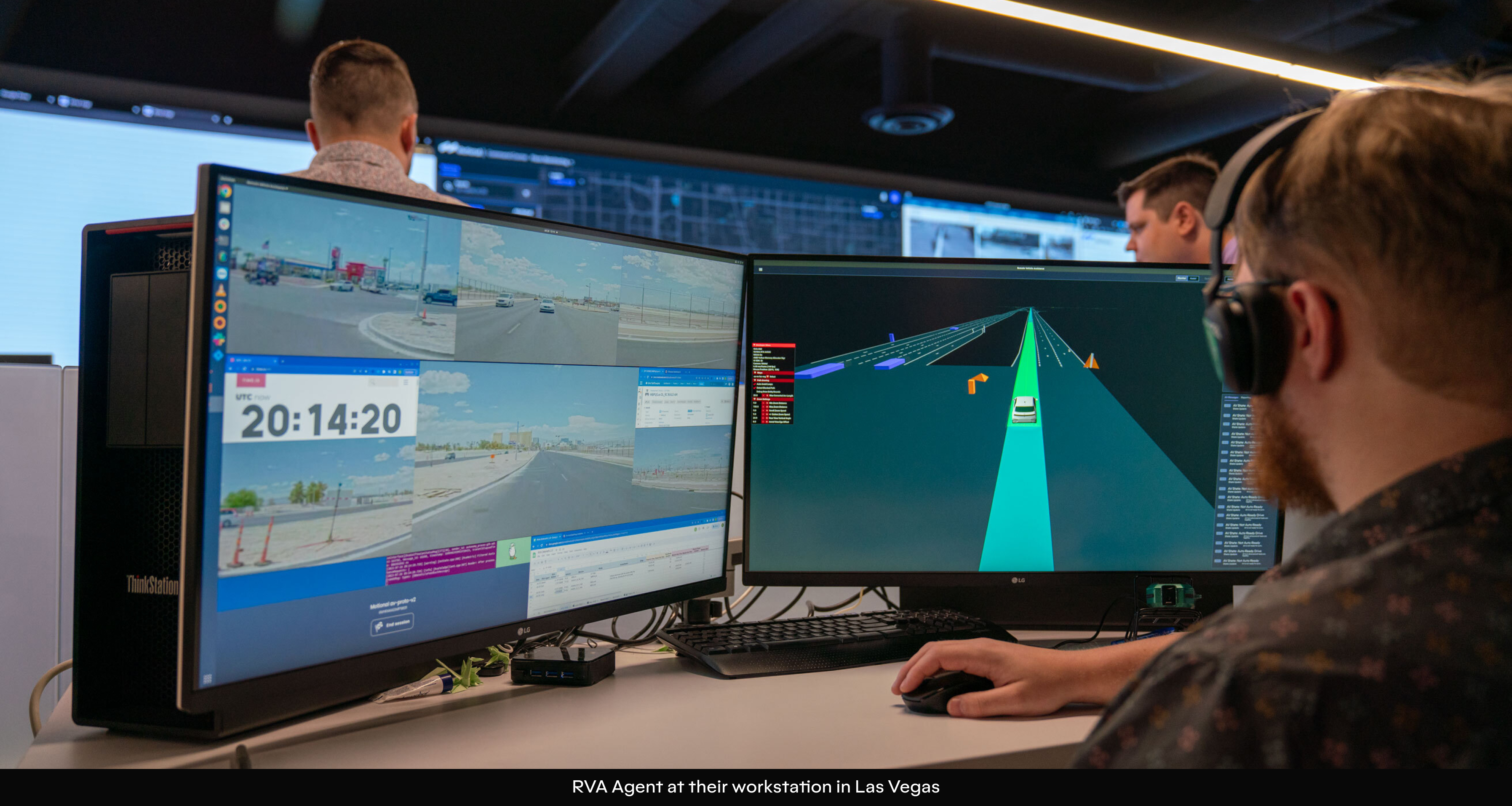
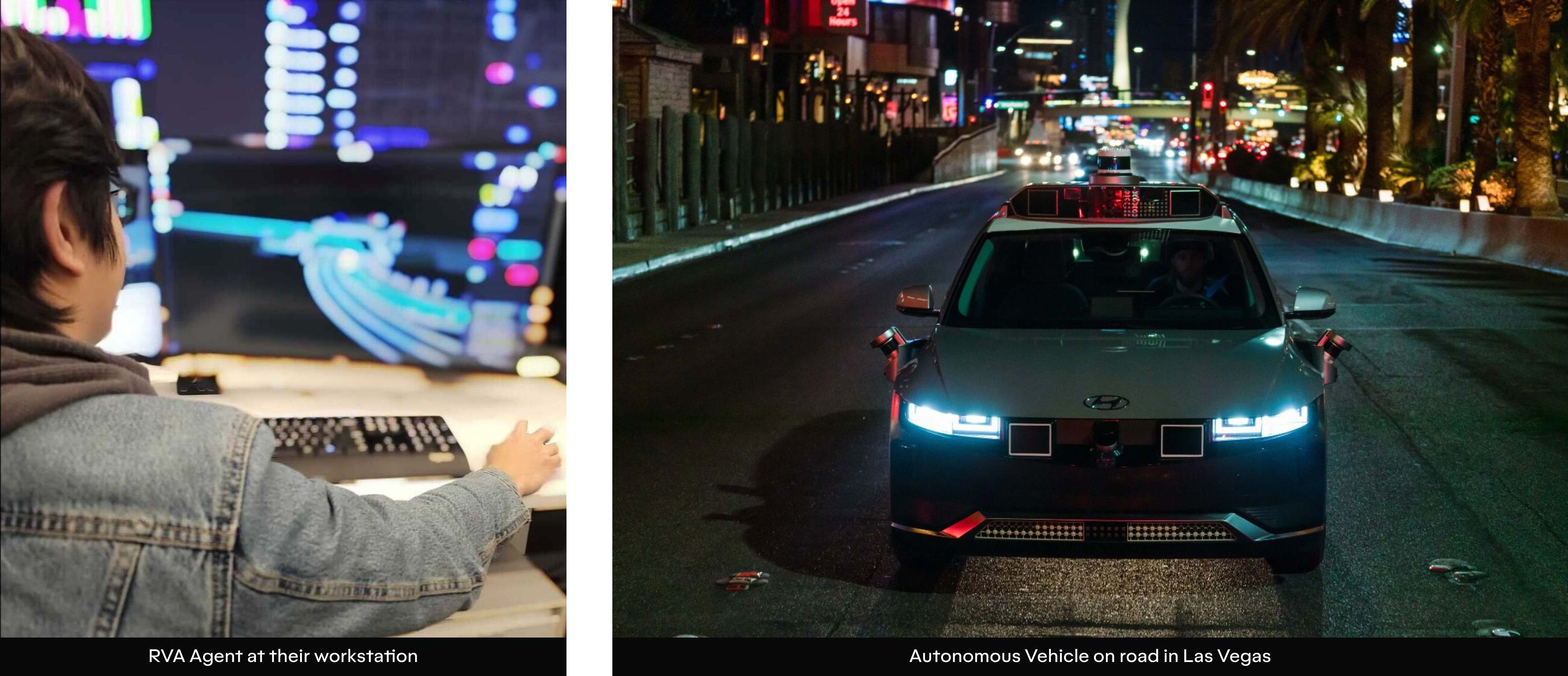
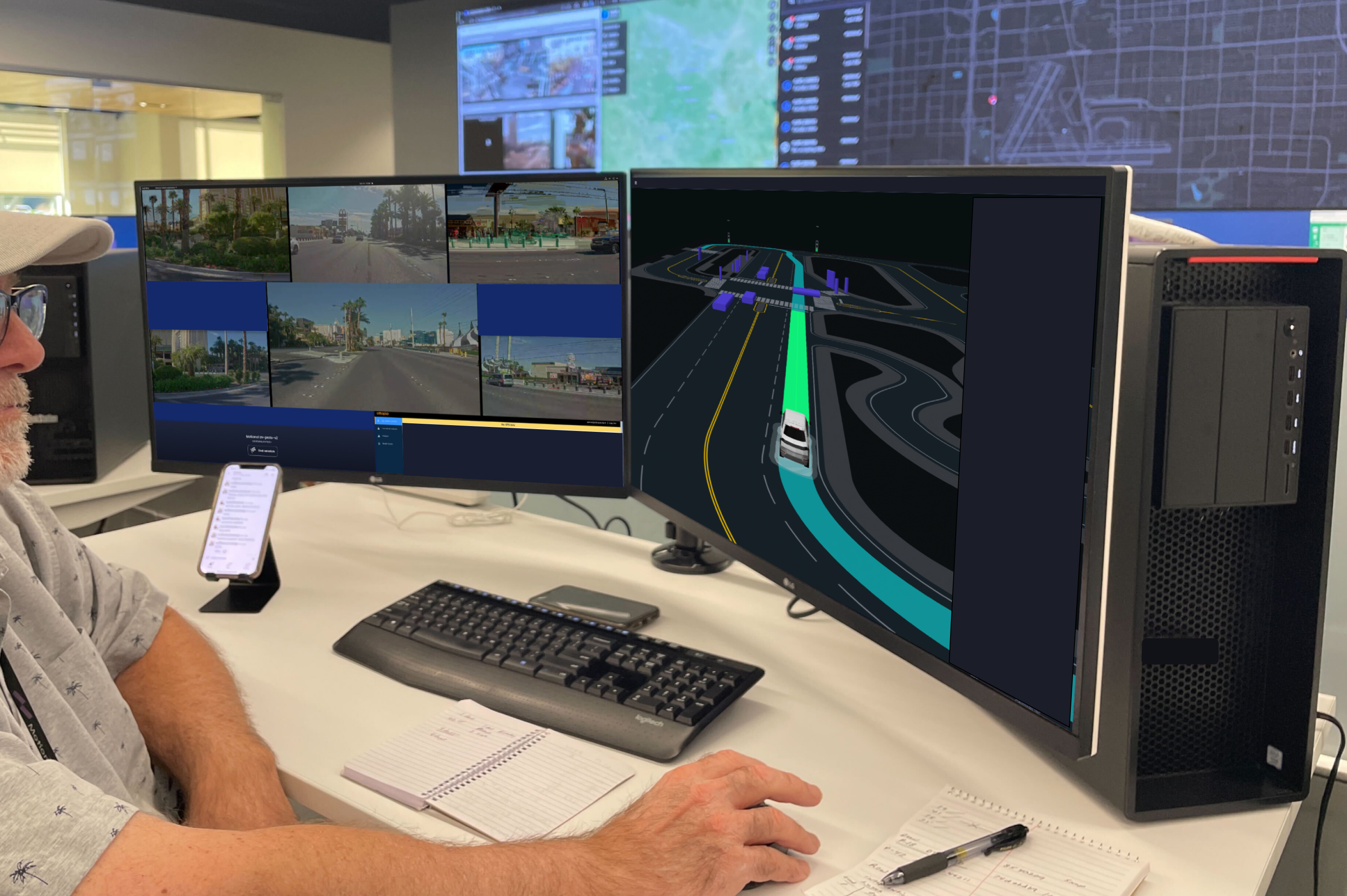
Remote operators (agents) worked from dual monitor workstations in the Las Vegas Command Center to assist autonomous vehicles through challenging scenarios.

Core Contributions

User Research

Led weekly sessions with the operations team.

Intuitive Tools

Designed the software tools operators relied on in real time.

Team Processes

Improved workflows and processes across the team.

Design Systems

Reorganized and documented design systems and other resources for the team.

feed

Project Impact

98%
Vehicle downtime cases resolved in under 45 seconds

The new tools we designed dramatically improved response times, enabling operators to quickly assist vehicles and keep the autonomous fleet running smoothly. This efficiency was critical to maintaining operational excellence and meeting service-level requirements.

feed

Team Dynamic

The RVA team operated with tight deadlines for multiple projects at once using a rapid-paced, agile approach. We strategically broke down projects into manageable phases, focusing first on Phase 0 (P0) MVPs with only essential features for agent usability.

Leadership Impact
  • Led design strategy, future planning, and roadmapping for the RVA product.
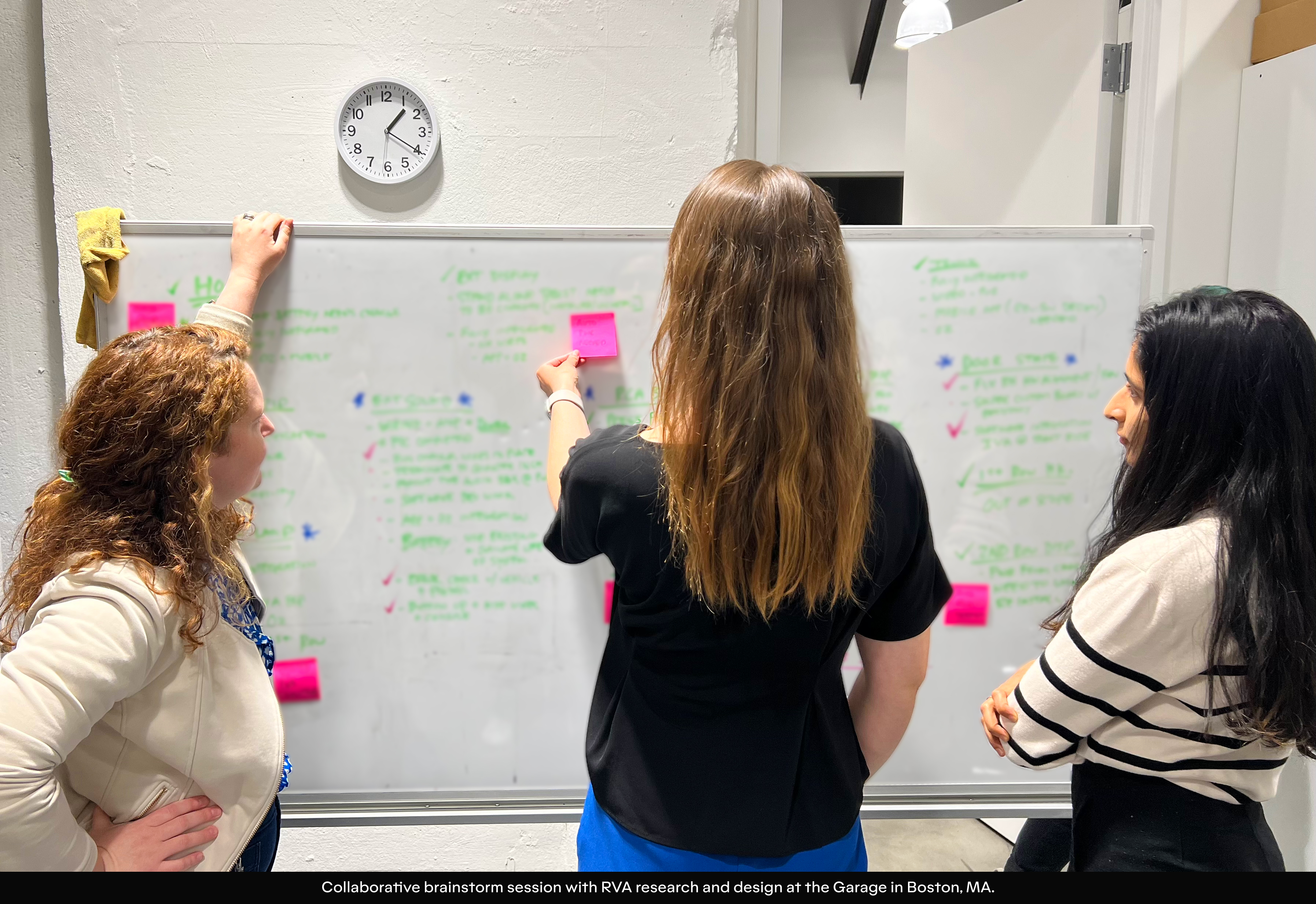
  • Enhanced communication and collaboration by organizing team-building exercises and promoting clear communication. The team evolved from tense discussions to efficient, calm conversations, even under pressure.
  • Delegated work effectively to junior designer while maintaining quality and timelines.
  • Enhanced user research efforts by hosting and leading weekly research sessions with operators.

Improving Onboarding

50%
Reduction in onboarding time

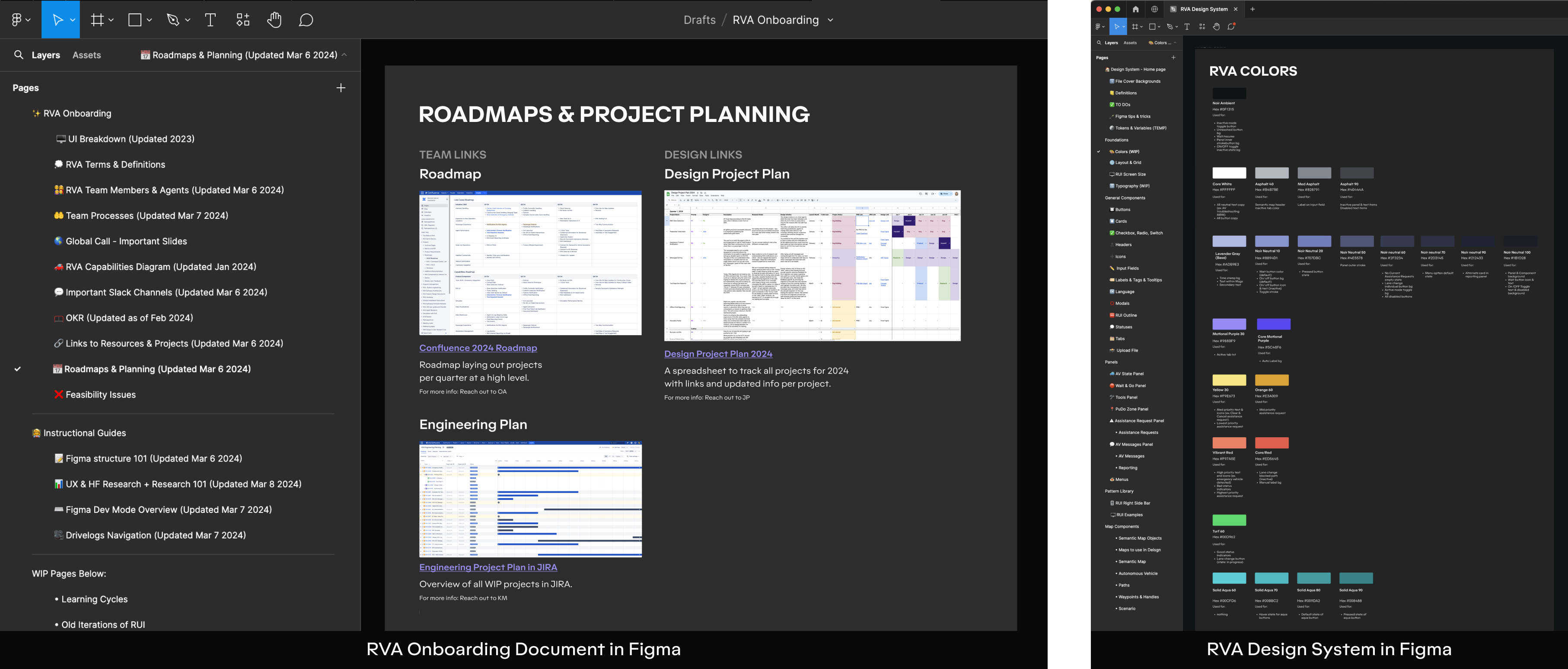
When I joined, there was no team onboarding process and it took time to get up to speed. I created a comprehensive Figma document (shown below) which broke down everything new team members needed to know and was used to bring my direct report up to speed in half the time. This resource became valuable for other teams to understand our workflows.

feed

Building Infrastructure from the Ground Up

Figma Templates

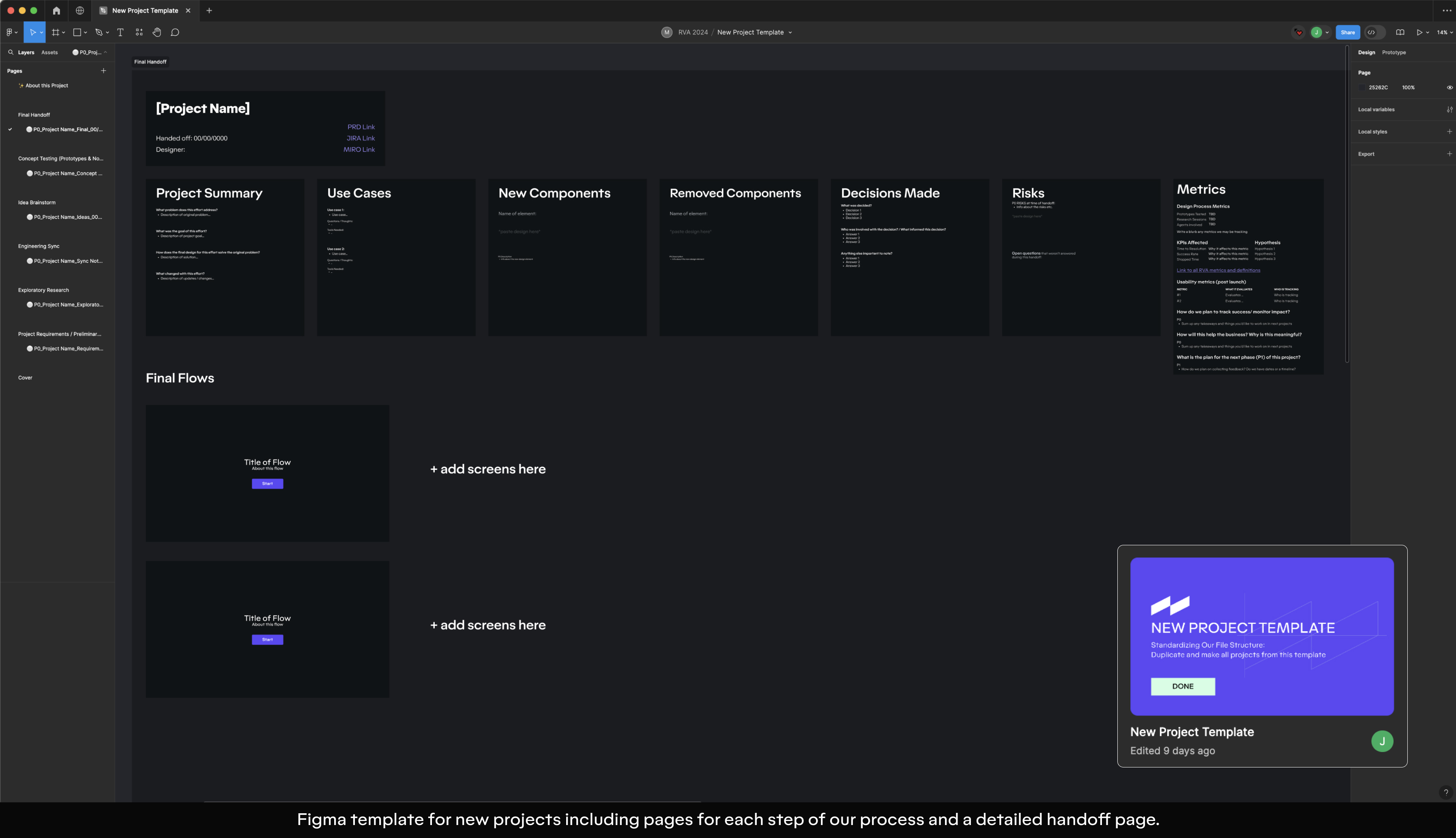
I inherited bare-bones Figma files with no documentation. I created structured templates with project information, requirements, research, and handoff specs—all in one place. (shown below)

Consistent handoffs, faster engineering digestion

Design System

Built a comprehensive design system with complex components from scratch. Collaborated with engineers to ensure pixel-perfect implementation. (shown above)

50% faster prototyping, full team efficiency

By creating templates and a design system, I streamlined workflows and ensured clarity through detailed documentation. As the team grew, we maintained efficiency and consistency.

feed

Remote-First Collaboration

Our global team collaborated virtually across Boston, LA, Singapore, Pittsburgh, and Chicago— spanning time differences from 1-12 hours. We prioritized asynchronous communication through Google Docs, Miro boards, and Figma, with weekly evening meetings and periodic in-person sessions in Las Vegas.

Leveraging Time Zones

When my direct report moved to LA from Boston, I leveraged our 3-hour difference to delegate tasks within the same project between her and myself, enabling collaborative asynchronous work and gaining extra productivity hours daily.
feed

Process Improvements

Design Needs Checklist

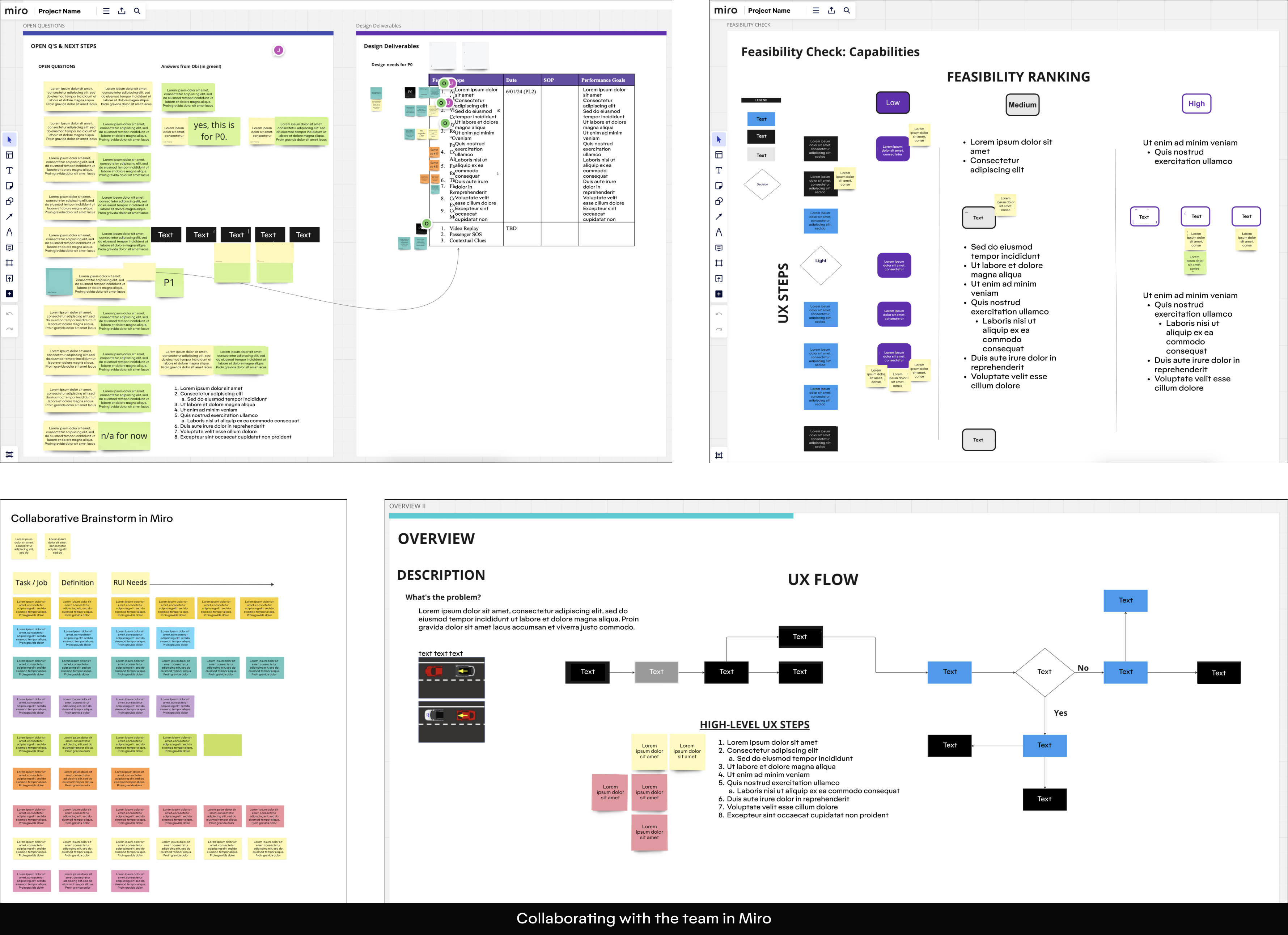
Solved requirement misunderstandings by meeting with product owners at project start to create a clear "design needs checklist" differentiating design vs. engineering expectations. (shown below)

Zero missed requirements post-implementation

Feasibility Checks

Implemented two-stage feasibility checks with engineering—before design and before handoff— to identify constraints early and reduce rework. (shown below)

Eliminated post-handoff design rework

feed

Learn More

If you'd like to learn more about this project or discuss collaboration opportunities, feel free to reach out!